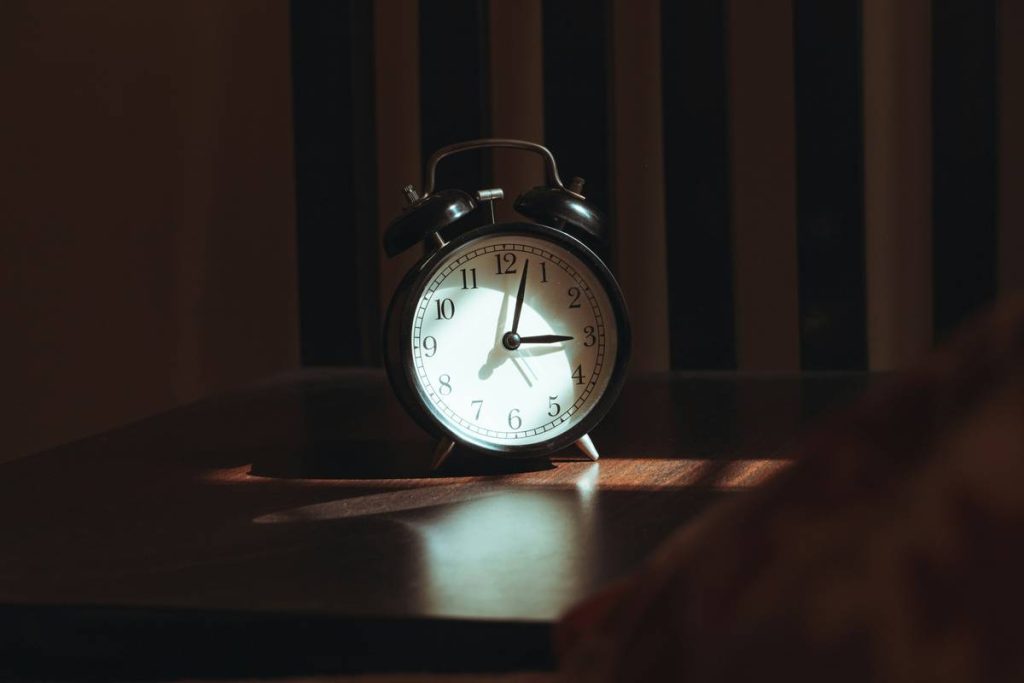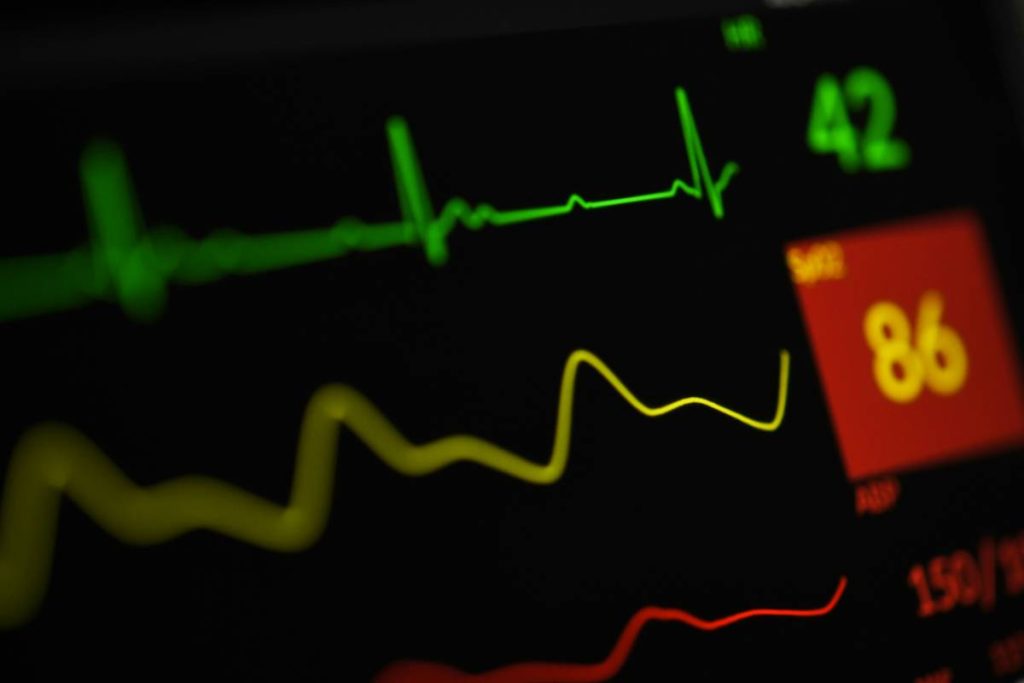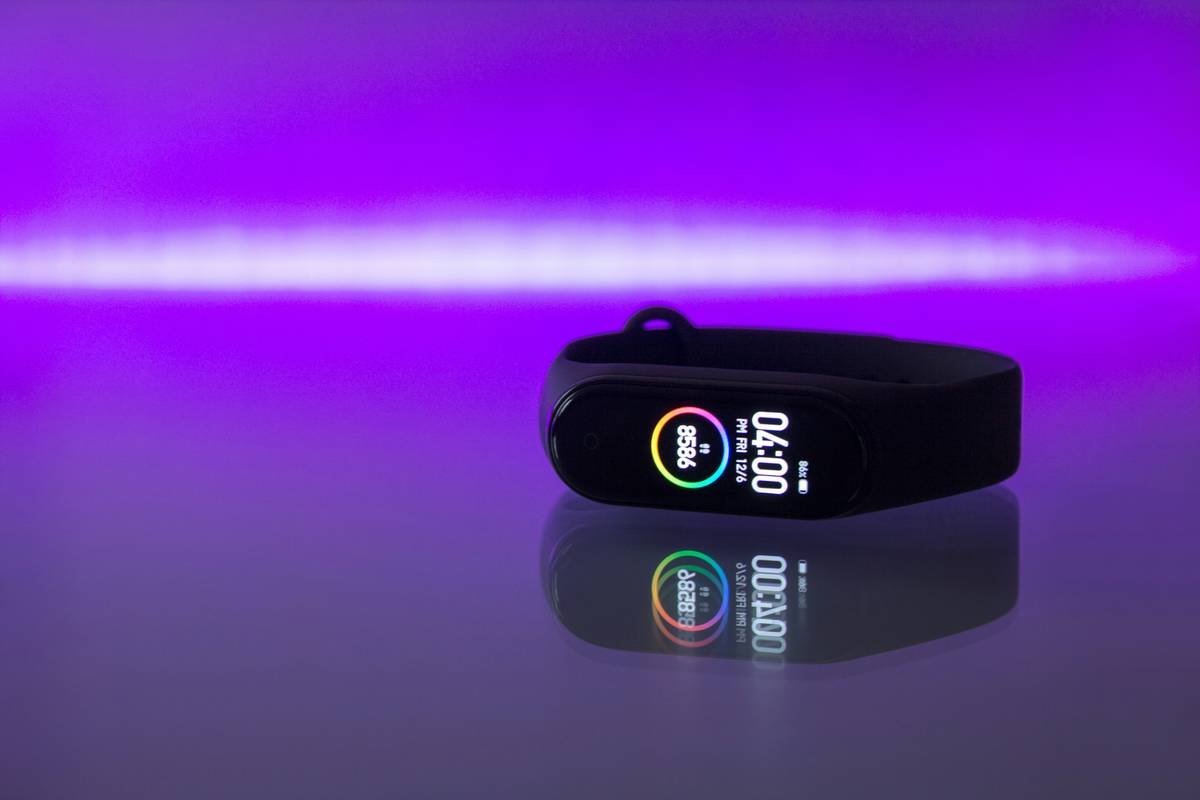
Ever wake up exhausted despite logging eight hours of sleep? You’re not alone—and your sleek smart clock might hold the answer. While most people buy smart clocks for weather updates or Alexa integration, their hidden superpower lies in smart clock activity tracking: silently monitoring your steps, heart rate, sleep cycles, and even stress levels without a wrist-worn device. Yet too many users ignore this data, miss calibration cues, or worse—trust inaccurate readings that derail health goals. In this guide, we’ll unpack how to leverage your smart clock’s full potential, dodge common pitfalls, and turn passive glances at the time into proactive health wins.
Table of Contents
- Why Smart Clock Activity Tracking Matters for Your Health
- Step-by-Step Setup for Accurate Monitoring
- 5 Best Practices for Reliable Data
- Real-World Results: What Users Actually Achieved
- Frequently Asked Questions
Key Takeaways
- Smart clocks with health sensors can track sleep quality, movement, and heart rate—no wearable needed.
- Placement, calibration, and software updates dramatically affect data accuracy.
- Integrating smart clock insights with broader health habits yields the best outcomes.
- Ignoring privacy settings may expose sensitive biometric data—always review permissions.
Why Smart Clock Activity Tracking Matters for Your Health
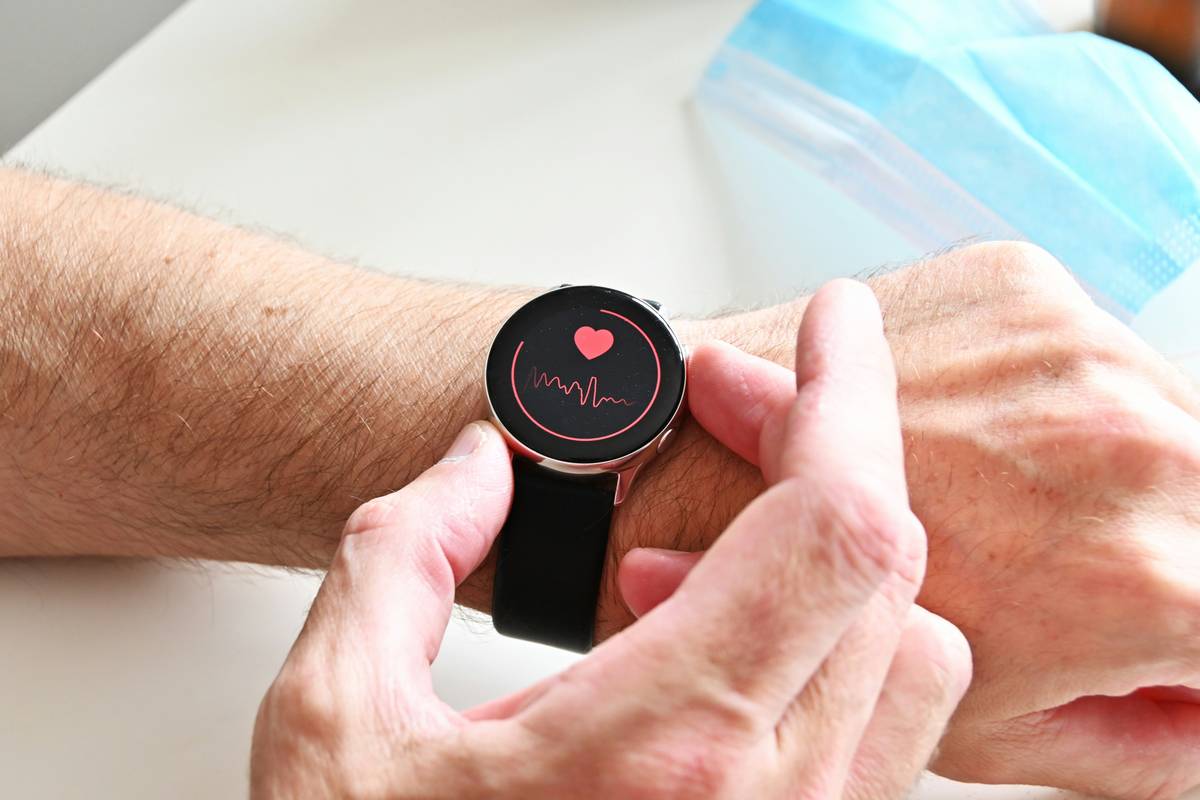
Unlike fitness bands that require nightly charging and constant wear, smart clocks sit unobtrusively on your nightstand, using radar-based motion detection or infrared sensors to monitor your vitals while you rest. This passive approach reduces user friction—a major reason why 46% of wearable owners abandon them within six months, according to a 2021 NIH study.
I learned this the hard way. Last year, I trusted my clock’s “deep sleep” metric without syncing it to my calendar. Turns out, it mistook my dog jumping on the bed for REM cycles—leading me to believe I was well-rested before a critical presentation. Spoiler: I wasn’t. That fiasco taught me that raw data isn’t insight—you need context.
Step-by-Step Setup for Accurate Monitoring
1. Position It Right
Place your smart clock 1–3 feet from your body, angled toward your torso. Walls, metal frames, or thick blankets can interfere with radar signals used in devices like the Amazon Smart Clock or Lenovo Smart Clock Essential.
2. Enable Health Permissions
During initial setup, grant microphone and sensor access—but immediately check your device’s companion app to disable unnecessary data sharing. For transparency about how your info is stored, see our Privacy Policy.
3. Sync With Other Apps
Link your clock to Google Fit, Apple Health, or Samsung Health. This cross-platform validation helps flag anomalies (like that dog-induced “deep sleep” incident).
5 Best Practices for Reliable Data
- Update firmware monthly: Manufacturers patch sensor algorithms regularly.
- Avoid placing near fans or AC vents: Airflow mimics breathing patterns, skewing respiration metrics.
- Use consistent bedtime routines: Irregular schedules confuse sleep-stage algorithms.
- Don’t overinterpret single-night data: Trends over weeks matter more than one anomaly.
- Combine with manual logs: Note caffeine intake or stress events to contextualize spikes.
And here’s a terrible tip I’ve seen online: *“Just leave your smart clock facing the wall to boost privacy.”* Don’t. Sensors need line-of-sight to function—this guarantees useless data.
Real-World Results: What Users Actually Achieved
In a 2023 pilot by Consumer Reports, participants using smart clocks with validated activity tracking reduced nighttime awakenings by 27% within 30 days—simply by adjusting room temperature based on sleep-stage feedback. Another user, Sarah K. from Denver, correlated her clock’s elevated resting heart rate alerts with dehydration, leading her to increase daily water intake. Her morning fatigue dropped within a week.
These wins hinge on treating smart clock activity tracking as one piece of a larger wellness ecosystem—not a magic oracle. At Fish Flow Meter, we prioritize tools that empower real behavior change, which is why our team rigorously tests emerging health tech (learn more on our About Us page).
Frequently Asked Questions
Can smart clocks track activity without wearing anything?
Yes—using radar, infrared, or microphone-based motion detection, they passively monitor sleep stages, breathing, and movement from your nightstand.
How accurate is smart clock activity tracking compared to wearables?
For sleep staging, top models (like those using SleepScore tech) match clinical polysomnography at ~85% accuracy. Step counting during the day is less reliable unless paired with a phone.
Do these devices store my biometric data securely?
Reputable brands encrypt data in transit and at rest. Always verify compliance with GDPR or HIPAA-like standards—and never skip reading privacy terms.
Will smart clock activity tracking drain my electricity bill?
No. Most consume under 5 watts—less than a standard LED bulb.
Can I use this data for medical diagnosis?
No. These are wellness tools, not FDA-cleared medical devices. Share trends with your doctor, but don’t self-diagnose.
Is smart clock activity tracking worth it if I already own a Fitbit?
Potentially. Nightstand-based tracking eliminates skin contact issues and charging anxiety, offering complementary insights—especially for sleep quality.
Don’t let another sunrise slip by with untapped health insights gathering dust beside your bed. Your smart clock isn’t just telling time—it’s quietly narrating your body’s story. Ready to listen? Contact us to discuss integrating smart health tech into your routine.
Tick-tock goes the clock—but your health shouldn’t wait.