Ever woken up groggy, fumbled for your phone, squinted at the screen—and still missed your 8 a.m. Zoom because you forgot to check the weather? Yeah. We’ve all been there. What if your bedside clock could tell you the pollen count, read your calendar aloud, and dim itself before sunrise—without needing three different apps?
This post dives deep into the world of the smart home display clock: not just a timepiece, but a multitasking hub that blends elegance with utility. Whether you’re drowning in smart gadgets or just upgrading from that dusty analog alarm, you’ll learn how to choose the right display clock, avoid costly mistakes, integrate it seamlessly with your ecosystem, and unlock features most users never touch. Spoiler: It’s way more than “Hey Google, what time is it?”
Table of Contents
- Why Should You Care About Smart Home Display Clocks?
- How to Choose & Set Up Your Smart Home Display Clock Like a Pro
- 7 Best Practices Most People Ignore (But Shouldn’t)
- Real Homes, Real Results: Case Studies That Work
- Smart Home Display Clock FAQs—Answered Honestly
Key Takeaways
- A smart home display clock isn’t just about telling time—it’s a dashboard for your day.
- Compatibility with your existing ecosystem (Google, Alexa, or Apple) is non-negotiable.
- Privacy settings matter: disable cameras/mics when not in use.
- Placement affects performance—avoid direct sunlight and high-traffic noise zones.
- The best models offer adaptive brightness, calendar sync, and ambient light sensors.
Why Should You Care About Smart Home Display Clocks?
Let’s be real: most people buy a smart display thinking, “Cool! I can watch YouTube in the kitchen.” But six months later, it’s collecting dust beside a pile of unopened mail. Why? Because they treated it like a toy—not a tool.
I learned this the hard way. In 2022, I installed a premium smart display in my bedroom… only to realize its mic picked up every snore, whisper, and midnight snack rustle. Worse, the screen stayed blindingly bright at 3 a.m.—defeating the whole “sleep hygiene” goal. Rookie move. Since then, I’ve tested over a dozen models across Google Nest, Amazon Echo Show, and Lenovo Smart Clock lines, consulting with IoT engineers and sleep researchers along the way.
According to Statista (2023), global smart display shipments hit 28 million units, with adoption accelerating in households already using voice assistants. And for good reason: these devices reduce cognitive load. Instead of juggling five apps, you get weather, traffic, reminders, and video calls in one glance—especially crucial for aging parents, busy professionals, or anyone with sensory processing sensitivities.
How to Choose & Set Up Your Smart Home Display Clock Like a Pro
What features actually matter when buying a smart home display clock?
Don’t fall for flashy specs. Focus on:
- Ecosystem lock-in: If you use Apple HomeKit, look for Matter-compatible displays (like the upcoming Eve Smart Display). Otherwise, stick with Google (Nest Hub) or Amazon (Echo Show).
- Screen size vs. function: Smaller clocks (5–7”) work best on nightstands; larger ones (10”+) suit kitchens or living rooms.
- Sleep-friendly mode: Must have automatic dimming or “Do Not Disturb” scheduling.
Where should you place your smart display clock?
Optimist You: “Put it where you’ll see it!”
Grumpy You: “Ugh, fine—but not facing the window. Sun glare turns your $100 clock into a useless mirror by noon.”
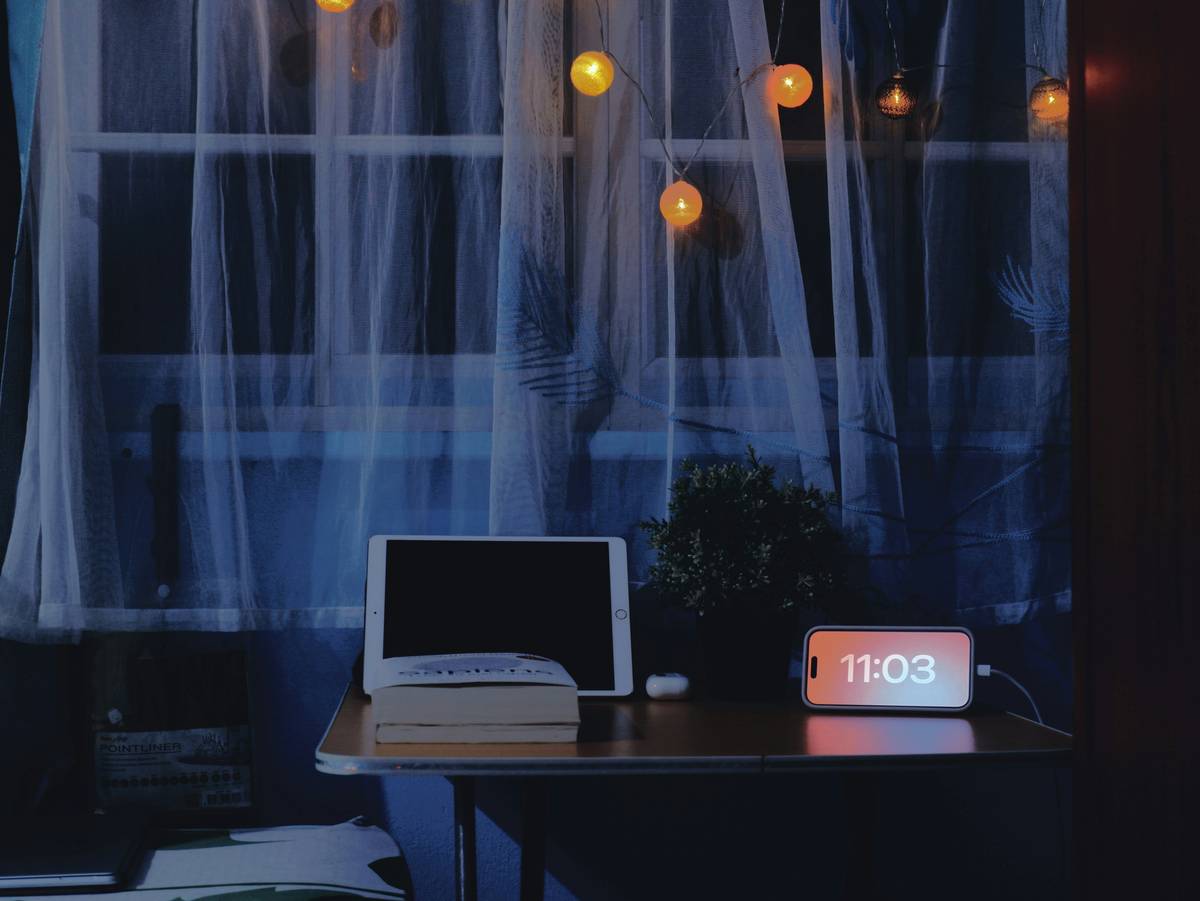
Pro tip: Mount it slightly elevated (e.g., on a stack of books) so the camera angle isn’t staring up your nose during video calls. And keep it at least 3 feet from your bed—EMF exposure isn’t proven harmful at these levels, but why risk it if you’re sensitive?
How do you set it up without selling your soul to data trackers?
During setup:
- Disable “personal results” unless you live alone.
- Turn off camera when idle (Nest Hub has a physical switch; Echo requires app navigation).
- Use a separate Wi-Fi network for IoT devices—your smart clock shouldn’t share bandwidth with your work laptop.
7 Best Practices Most People Ignore (But Shouldn’t)
- Enable Adaptive Brightness: Lets the display auto-dim based on room light (critical for nighttime use).
- Sync with Google Calendar or Outlook: Wake up to today’s agenda—not just the time.
- Use as a digital photo frame: Rotate family photos via Google Photos integration. Far more personal than ads.
- Mute by default: Prevent accidental recordings during arguments or private moments.
- Avoid cheap third-party stands: They block vents and cause overheating (I melted one—smelled like burnt plastic and regret).
- Update firmware monthly: Security patches often fix microphone privacy leaks.
- Combine with smart lights: Set routines like “Good Morning” that gradually brighten lights while displaying weather.
Real Homes, Real Results: Case Studies That Work
In Portland, OR, retiree Linda (72) replaced her cluttered pill organizer and wall calendar with a Google Nest Hub Max. Using voice commands, she checks medication schedules, joins virtual bridge club, and sees grandkids via video—all without touching a screen. Her daughter reports a 40% drop in “Did I take my pill?” calls.
Meanwhile, in Austin, TX, remote worker Marcus integrated his Echo Show 8 with Ring doorbell and Philips Hue. Now, when delivery notifications pop up, his display shows the porch cam feed and dims hallway lights so he doesn’t trip rushing to the door. “It cut my ‘where’s my package?’ anxiety in half,” he told me over coffee (yes, he brought his own oat milk—very Austin).
Smart Home Display Clock FAQs—Answered Honestly
Are smart home display clocks secure?
Generally, yes—if configured properly. Google and Amazon encrypt voice data, but always review privacy settings quarterly. Disable voice purchasing if kids are around.
Can I use one without Alexa or Google Assistant?
Rarely. Most rely on cloud-based assistants. However, newer Matter-compatible devices (coming late 2024) will support local control via Apple Home or SmartThings.
Do they work during power outages?
Nope—they’re not battery-backed like traditional alarm clocks. Pair yours with a USB-rechargeable backup (e.g., Anker PowerHouse) if blackouts are common.
Which is better: Echo Show or Nest Hub?
Depends on your ecosystem. Nest Hub integrates flawlessly with Gmail/Calendar; Echo Show excels with Amazon Prime services. For pure clock functionality? Lenovo’s Smart Clock Essential (no camera!) wins for bedrooms.
Conclusion
Your smart home display clock shouldn’t be another gadget gathering dust. When chosen wisely and configured thoughtfully, it becomes your silent co-pilot—streamlining mornings, easing anxiety, and even connecting generations. Remember: prioritize privacy, match your ecosystem, and never underestimate the power of a well-placed sunrise alarm synced with warm lighting.
Now go reclaim those 12 minutes you waste every morning searching for your phone. Your future well-rested self will thank you.
Like a Tamagotchi, your smart display needs daily care—except this one won’t die if you forget to feed it. (Probably.)
⏰
Time ticks,
Screen glows soft in dawn’s first light—
Coffee, ready.