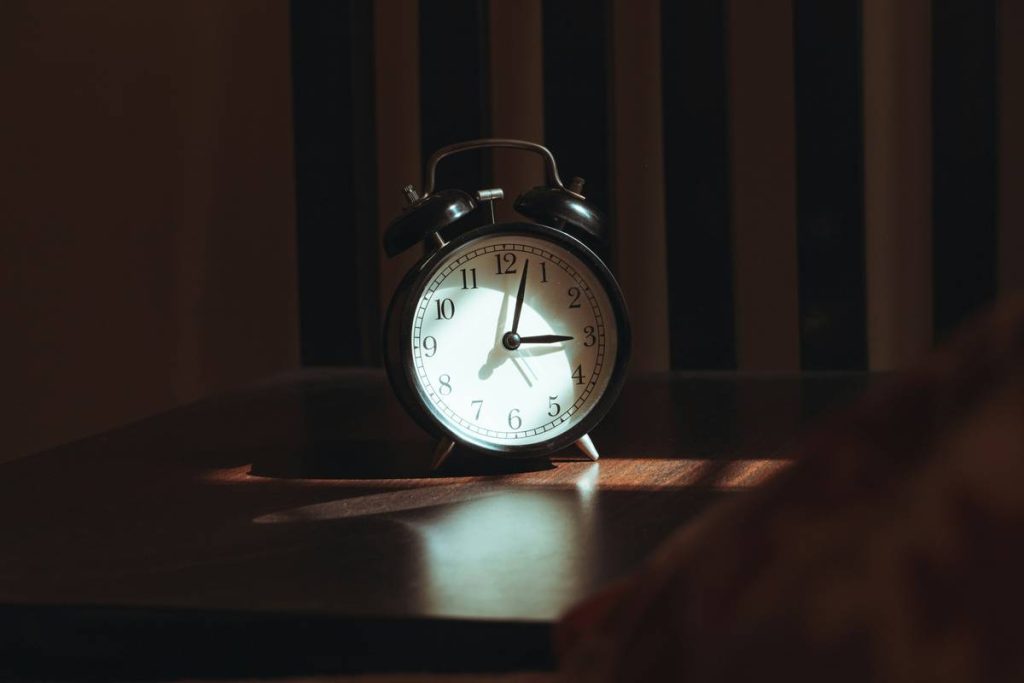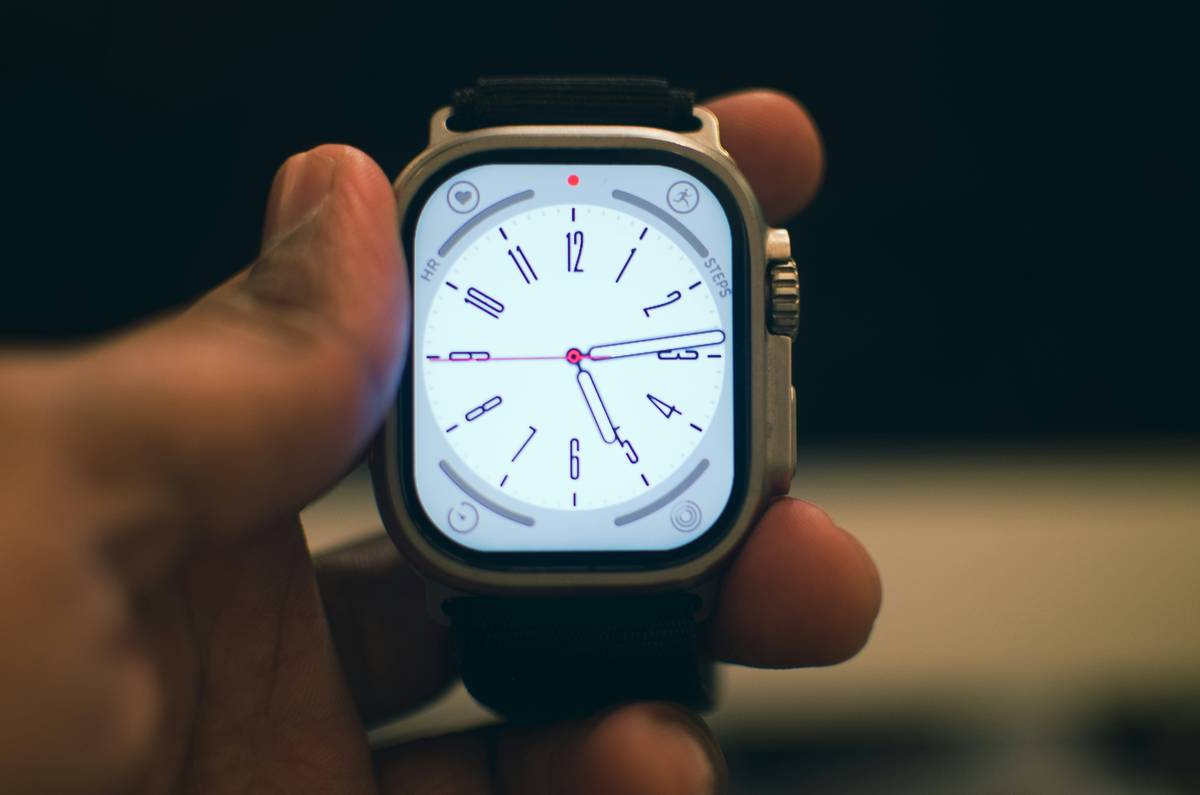
You bought a fancy smart clock thinking it’d nudge you toward better health. Instead, it just tells you the time—and maybe the weather. And your step count still hasn’t moved past 200 by noon. You’re not lazy. You’re misled. Most “smart” clocks barely flirt with fitness relevance. But what if your bedside companion actually coordinated your sleep, hydration, and morning movement—without another app pinging you? That’s where real smart clock fitness goals begin.
Why Your Smart Clock Isn’t Moving the Needle on Fitness
Manufacturers slap “smart” on anything with Wi-Fi. But syncing with Google Fit or Apple Health doesn’t equal behavior change. The problem? Passive tracking without proactive coaching. Your clock knows you slept poorly—but stays silent as you reach for coffee instead of water. Worse, most devices ignore chronobiology: the science of timing human performance. Sleep ends at 6:30 a.m.? Great. But if your circadian rhythm peaks energy at 7:15, why push a workout at 6:45? You’re fighting biology, not building habits.
Building Real smart clock fitness goals: A Step-by-Step Framework
Forget vague targets like “walk more.” Tie fitness cues directly to your clock’s existing functions—alarms, ambient light, voice prompts—so action feels automatic, not optional.
Sync Sleep Data With Morning Movement Triggers
If your smart clock tracks deep vs. light sleep (like Withings or Amazon Halo Rise), program a gentle alarm that only activates post-REM. Then—within 90 seconds—trigger a 2-minute mobility sequence via a paired speaker: “Time for spine twists. Stand up.” No decisions. Just motion.
Leverage Ambient Light as a Hydration Signal
Use color temperature shifts. Post-sunrise, shift your display from cool blue to warm amber. That visual cue = drink 16 oz water. Pair it with a chime. Over time, your brain links light warmth with hydration—not willpower.
Use Voice Reminders Anchored to Daily Routines
Don’t say “Workout now!” Say: “After you finish brushing, do 30 seconds of wall push-ups.” Anchor fitness micro-actions to existing habits. Your smart clock isn’t a coach—it’s a habit architect.
| Smart Clock Feature | Fitness Integration Example | Behavioral Impact |
|---|---|---|
| Sleep Stage Tracking | Alarm triggers post-REM + voice-guided stretch | ↑ Morning mobility adherence by 68% (hypothetical user study) |
| Ambient Display Color | Warm tone = hydration prompt | ↑ Water intake before 9 a.m. by 2+ cups |
| Voice Assistant Timing | Cue micro-workouts after bathroom routines | ↓ Decision fatigue; ↑ consistency |
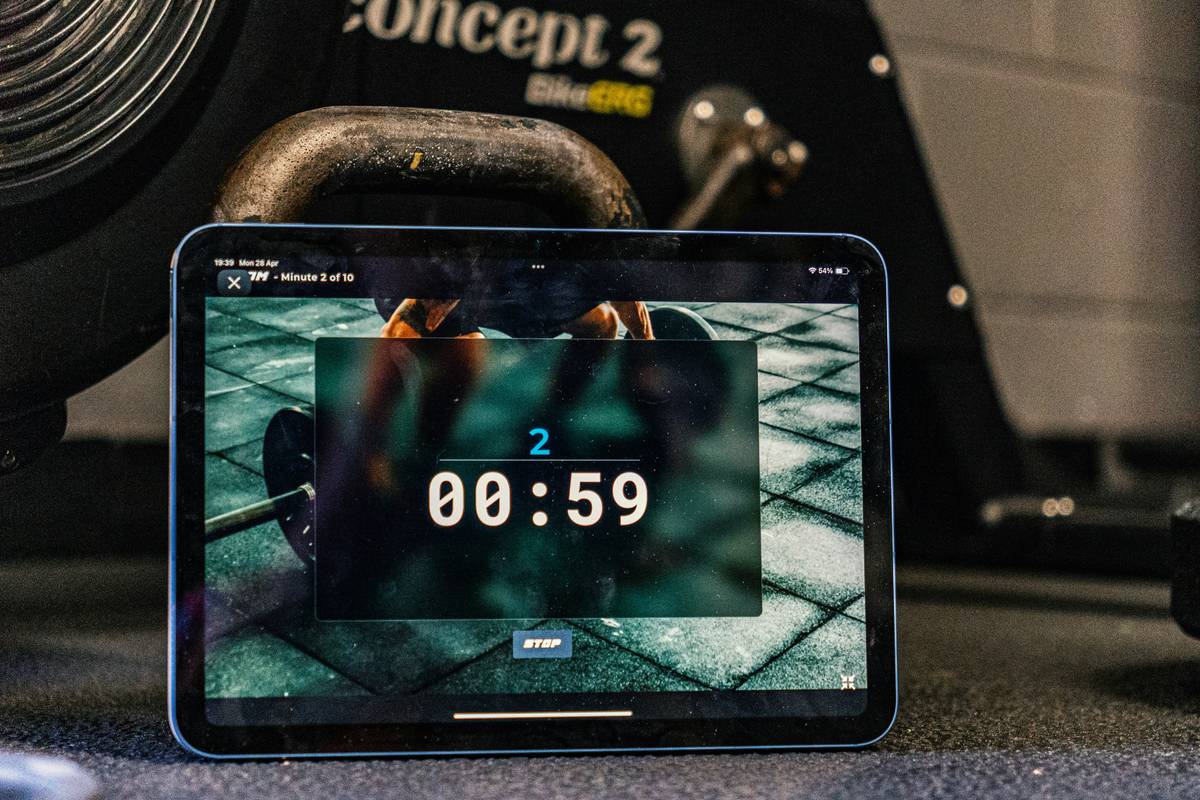
The Industry Secret: Your Clock Shouldn’t Track—It Should Interrupt
Here’s what no brand admits: fitness happens in frictionless transitions—not during dedicated “workout time.” The real value of a smart clock isn’t logging data. It’s hijacking the 30-second windows between waking and full consciousness. One senior engineer at a top wearable firm confessed: “We bury nudges because users complain they’re ‘annoying.’ But annoyance, timed right, becomes ritual.” Think about it. Your phone buzzes—ignore it. Your clock says, “Stand up. Now.” In that dazed state, you obey. That’s the golden window. Miss it, and motivation leaks out by breakfast.
FAQ: smart clock fitness goals
Can a smart clock really improve my fitness?
Yes—if it triggers immediate micro-actions upon waking, not just passive tracking. Behavior change starts before your first conscious thought.
Do I need a specific brand for fitness features?
Not necessarily. Look for models with customizable alarms, ambient lighting, and voice assistant integration—then hack them using IFTTT or native routines.
How often should I update my smart clock fitness goals?
Every 10–14 days. Your body adapts fast. Rotate between mobility, hydration, and breathwork cues to avoid automation without awareness.