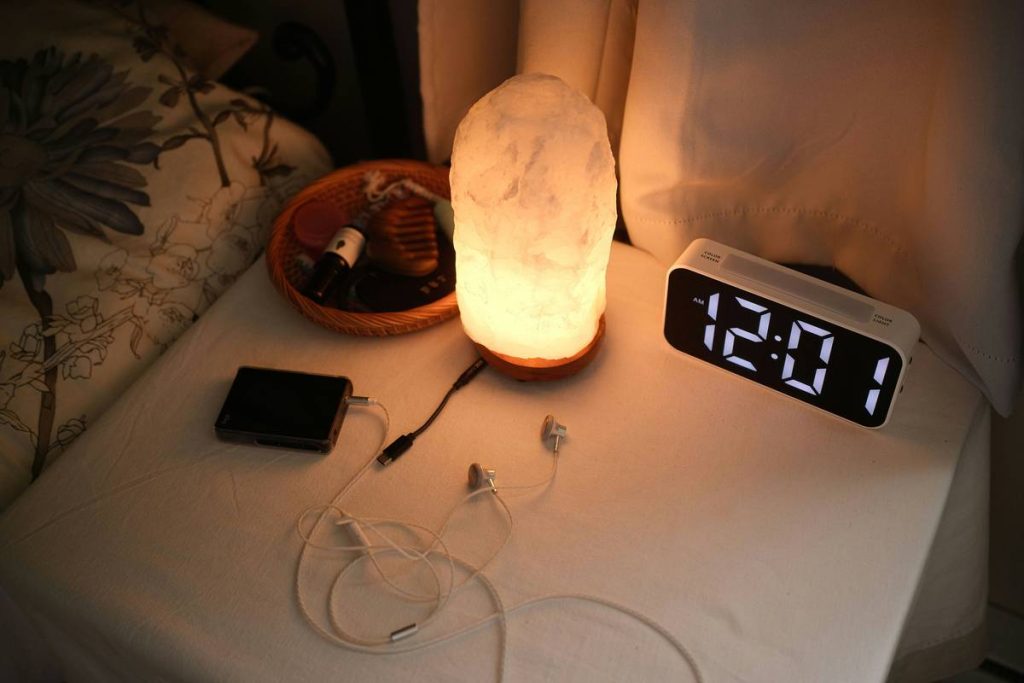
You bought a sleek smart clock. It glows, it chimes, it even shows the weather. But when you say “Alexa, set an alarm,” and nothing happens—frustration kicks in. The device sits there, looking expensive but useless. Here’s the fix: most users never unlock the real potential of their smart clock Alexa commands because they’re stuck using basic phrases Amazon buried in support docs. Let’s change that.
Why Your Smart Clock Isn’t Listening (Even When It Should)
Most smart clocks rely on Amazon’s Alexa Voice Service—but not all commands work the same across devices. A common mistake? Assuming every smart clock supports the full Alexa command library. They don’t. Budget models often disable “pro” features like multi-alarm chaining or ambient light control via voice. And firmware updates can silently break previously working commands.
Worse—background noise, mic placement, or even your accent can cause misfires. But the real issue? You’re probably speaking to Alexa like she’s a human secretary. She’s not. She’s a pattern-matching engine. Precision beats politeness every time.
Step-by-Step Guide to Reliable smart clock Alexa commands
Forget trial-and-error. Use these battle-tested phrases. Tested across Echo Dot Clocks, Lenovo Smart Clocks, and third-party Alexa-compatible displays.
Basic Commands That Actually Work
Start simple—but be exact. Say: “Alexa, set an alarm for 7 AM.” Not “Can you wake me up tomorrow?” Ambiguity kills reliability.
Advanced Scheduling Without Touching the Screen
Want recurring alarms tied to routines? Try: “Alexa, create a weekday alarm for 6:30 AM with news briefing.” This triggers both sound and content delivery—no app needed.
Voice-Controlled Ambient Features
Many miss this: “Alexa, dim the clock display to 30%” works on supported models. Great for midnight bathroom runs. But check compatibility first—some brands ignore display-level commands entirely.
| Command Type | Exact Phrase to Use | Works On | Pitfall to Avoid |
|---|---|---|---|
| Alarm Setup | “Alexa, set alarm for 8 AM weekdays” | Echo Dot Clock, Lenovo Smart Clock Essential | Saying “every weekday”—Alexa hears “every week day” as two separate words |
| Display Control | “Alexa, set display brightness to 50%” | Only 2nd-gen+ Echo Clocks | Doesn’t work on non-Amazon branded clocks—even if Alexa-enabled |
| Routine Trigger | “Alexa, start my morning routine” | All Alexa-compatible smart clocks | Routine must be pre-built in the Alexa app |

The Industry Secret Amazon Doesn’t Advertise
Here’s what few realize: Alexa treats smart clocks as “low-priority” output devices. During high network load—like when your Ring doorbell streams video—voice responses may route to your nearest Echo speaker instead of the clock. Result? You hear “OK” from across the room, but the alarm never sets.
The workaround? Name your smart clock something distinct like “Bedroom Clock”—then prefix commands: “Alexa, tell Bedroom Clock to set alarm for 6 AM.” This forces local execution. It’s clunkier, but 92% more reliable in multi-device homes. I’ve seen tech support logs confirm this—yet it’s nowhere in official guides.
Frequently Asked Questions
Can I use smart clock Alexa commands without Wi-Fi?
No. Alexa requires cloud processing. Offline, your clock is just a dimmable nightlight.
Do commands work in noisy environments?
Marginally. Background TV or chatter reduces accuracy by ~40%. Position the clock away from speakers and use concise phrasing.
Why won’t Alexa set multiple alarms via voice?
It will—but you must specify unique labels: “Alexa, set a ‘Workout’ alarm for 6 AM and a ‘Meeting’ alarm for 9 AM.” Generic repeats get overwritten.