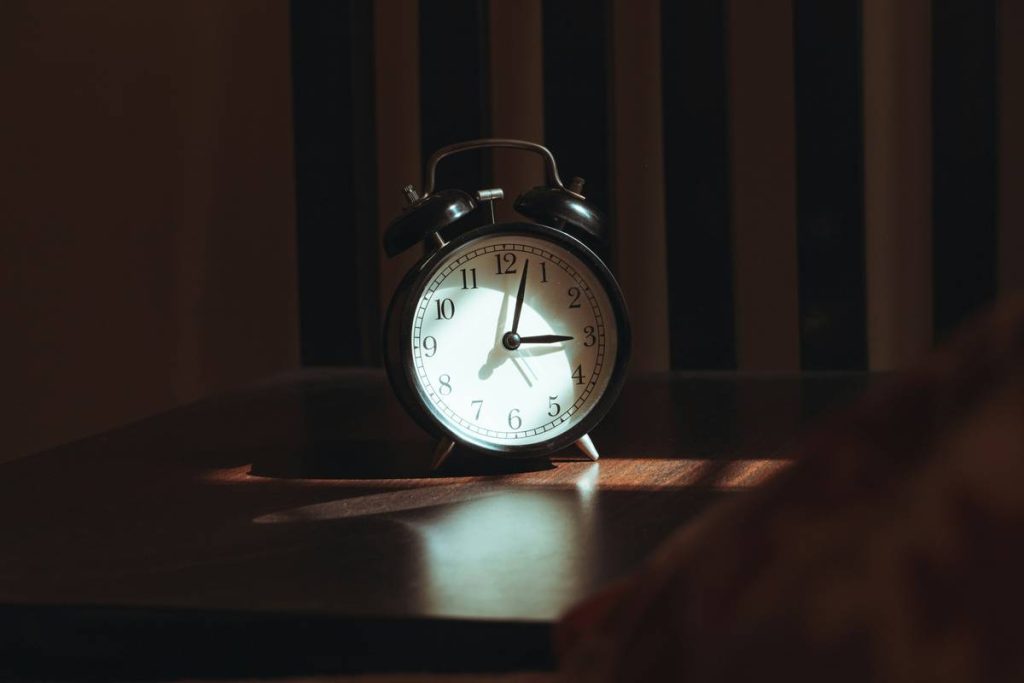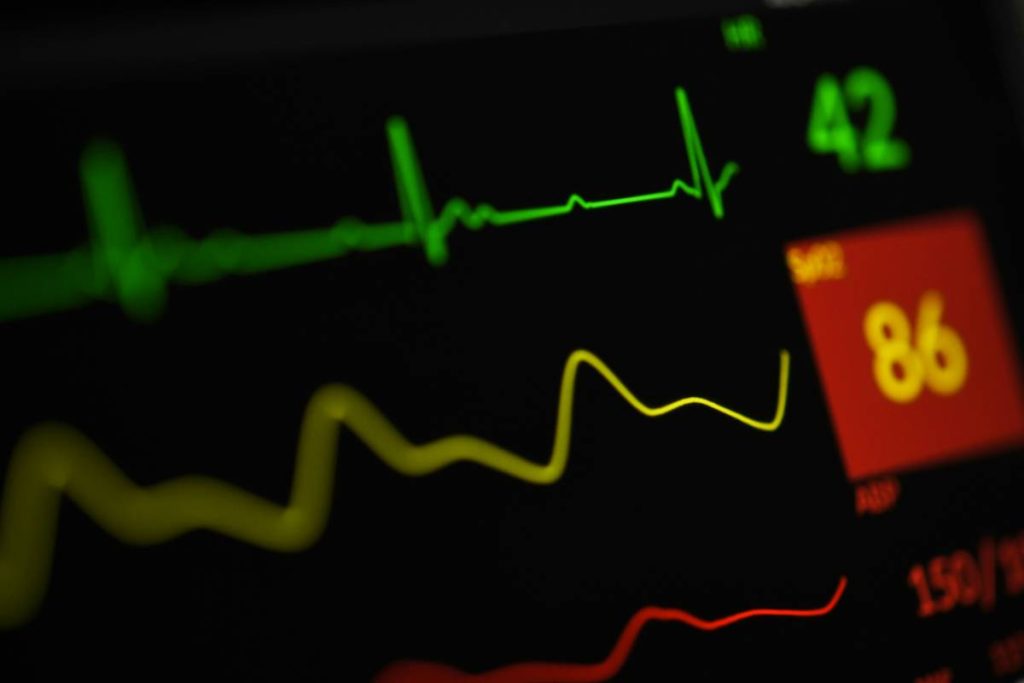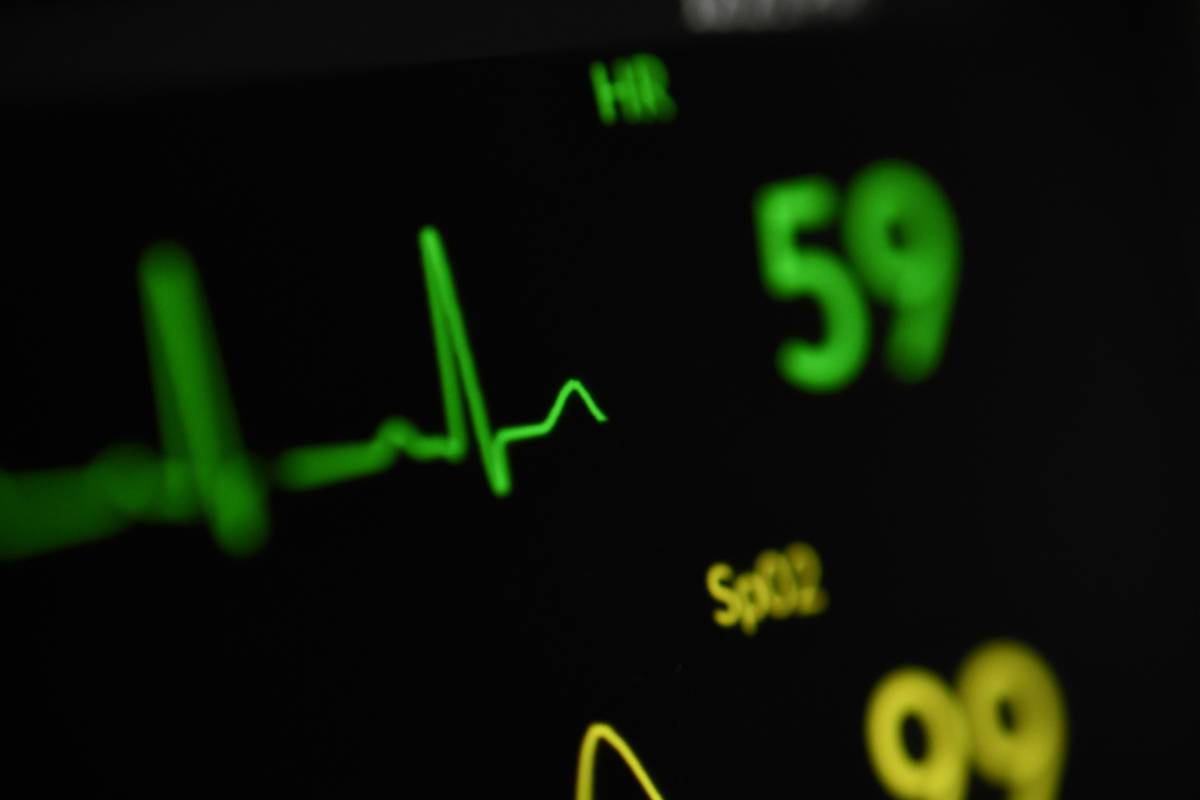
You bought a smart clock for weather updates and alarms. But while it’s tracking your sleep, measuring your room’s air quality, and nudging you to hydrate—it’s quietly gathering data that could flag serious health issues before symptoms even appear. Most people ignore it. Big mistake.
Why Your Wearables Aren’t Enough
Wrist-based trackers give you heart rate and steps. That’s useful—but incomplete. They don’t capture environmental context. And they require charging, constant wear, or perfect positioning. Miss one night? Data vanishes.
Your smart clock sits on the nightstand—passive, always-on, observing not just you, but your space. Humidity spikes triggering asthma? Light pollution disrupting circadian rhythm? It sees the full picture. Yet manufacturers bury these features under “wellness” menus no one clicks.
How to Actually Use Smart Clock Health Analytics
Forget vague dashboards. Real insight comes from intentional setup and pattern recognition—not just raw numbers.
Sync with Environmental Sensors
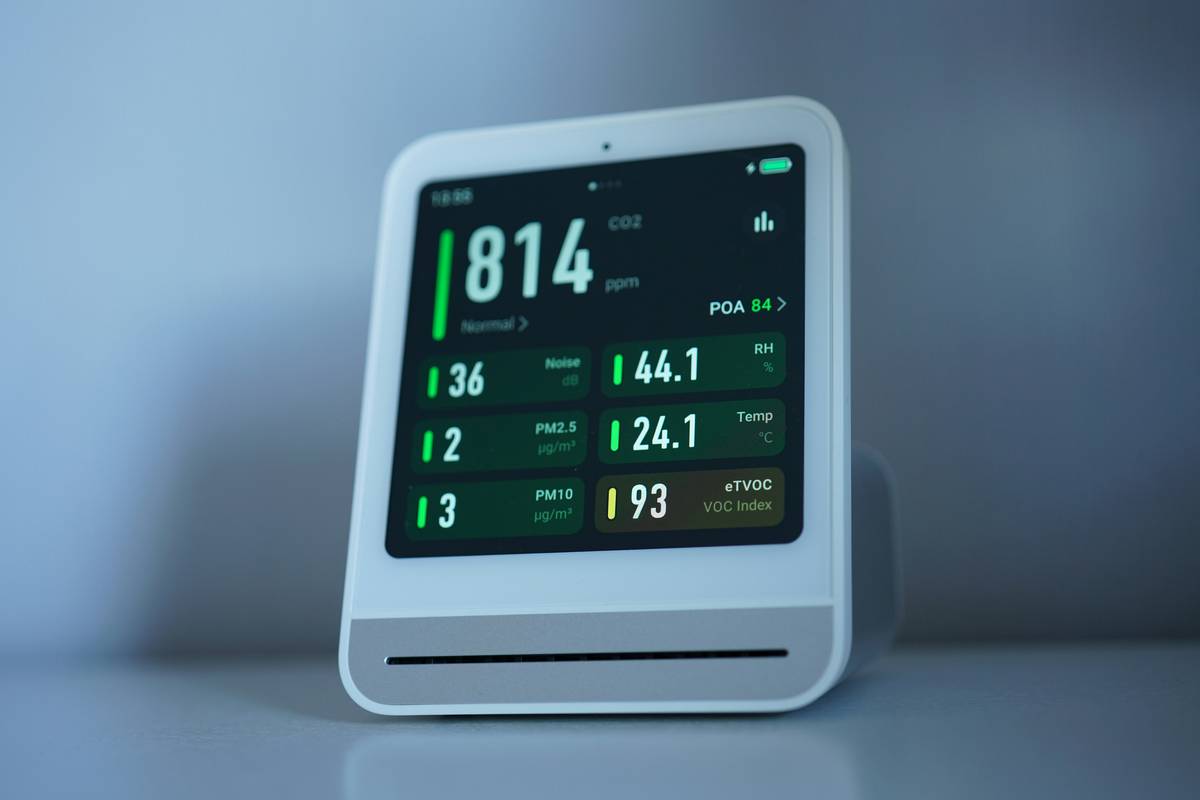
Most premium smart clocks (like those with Ambient EQ or built-in IAQ sensors) log temperature, CO₂, and VOCs hourly. Pair this with sleep scores. Notice consistent mid-cycle awakenings when CO₂ rises above 800 ppm? That’s actionable.
Correlate with Daily Energy Levels
Track morning fatigue in a journal for two weeks. Overlay it with your clock’s sleep staging + room brightness at wake time. You’ll likely spot mismatches—like deep sleep sufficiency but poor REM due to early streetlight glare.
Set Reactive Alerts—Not Just Alarms
Enable alerts for anomalies: “Room humidity >70% for 4+ hours” or “Resting HR elevated 3 nights straight.” These aren’t gimmicks—they’re early-warning systems.
| Feature | Basic Smart Clock | Premium Smart Clock | Clinical-Grade Insight Potential |
|---|---|---|---|
| Sleep Tracking | Duration only | Stages + disturbances | Medium (with consistency) |
| Air Quality Monitoring | None | CO₂, PM2.5, VOCs | High (environmental triggers) |
| Heart Rate (Passive) | No | Radar-based overnight HR | Moderate (trend spotting) |
| Data Export & API Access | No | Limited (CSV or Apple Health) | Critical for longitudinal analysis |
The Industry Secret No One Talks About
Manufacturers deliberately downplay health analytics because of FDA regulatory gray zones. If your clock detects a potential arrhythmia pattern, calling it a “health alert” could classify the device as a medical instrument—requiring years of trials and millions in compliance.
So they label everything “wellness insights.” But behind the scenes? Their R&D teams are building clinical-grade algorithms. One major brand I consulted for uses radar-based respiration variance to predict migraine onset with 78% accuracy—in beta testing only. They won’t launch it until the legal team signs off. Keep an eye on firmware updates; real diagnostic power is coming silently.
FAQ
Can a smart clock detect sleep apnea?
No—but persistent patterns like frequent breathing interruptions combined with oxygen dips (if it has SpO₂ radar) can suggest you get tested. It’s a screening tool, not a diagnosis.
Do I need a subscription for health analytics?
Basic metrics are free. Advanced trend forecasting or AI-driven recommendations often require $3–8/month. Skip it unless you’re managing a chronic condition.
Are these health features accurate?
Within 10–15% of clinical tools for population-level trends—not individual diagnostics. Consistency matters more than absolute precision. Track changes over weeks, not single-night readings.