You bought a “smart” clock. It connects to Wi-Fi, shows weather, maybe even answers voice commands. But it looks like a cheap plastic tablet pretending to keep time. The problem? Most smart clocks abandoned beauty for utility—sacrificing the elegance of analog hands for sterile digital grids. That disconnect kills ambiance. And if your smart home feels more like a command center than a sanctuary, you’ve got the wrong display. Enter the smart clock analog display: where timeless design meets modern intelligence.
Why Digital-Only Smart Clocks Miss the Point
They’re loud—even when silent. Glaring LEDs, flickering pixels, and that low hum of over-engineering. Humans aren’t wired to read time best from numbers. We perceive it spatially: the arc of a hand, the rhythm of its sweep. A study from MIT’s Media Lab found people estimate elapsed time 23% more accurately with analog cues—even subconsciously. Yet 92% of new smart clocks ship with only digital displays. Why? Easier firmware. Cheaper components. Not better experience.
And here’s what manufacturers won’t admit: analog mechanisms are now cheaper to integrate than ever—thanks to micro-stepper motors and low-power OLED backplates. The barrier isn’t cost. It’s imagination.
Building Your Ideal Smart Clock Analog Display Setup
Forget plug-and-play gimmicks. Real integration requires intention. Here’s how to do it without rewiring your life.
Selecting the Right Hardware
Look for hybrid models—those with physical hands driven by silent stepper motors, backed by e-Ink or subtle ambient lighting. Avoid anything labeled “retro-style” unless it has API access. You need open protocols: MQTT, Home Assistant compatibility, or at least IFTTT. Bonus if it supports local control (no cloud dependency).
Calibration Over Connectivity
A misaligned minute hand ruins everything. Most users skip calibration because apps make it feel optional. It’s not. Sync via NTP servers, then manually adjust for gear backlash—yes, even in 2024. A 2° lag between digital sync and physical movement creates cognitive dissonance. Your brain notices.
Ambient Intelligence, Not Notifications
The magic isn’t in telling you the time. It’s in fading into the background until needed. Use color temperature shifts in the faceplate (not the hands!) to signal modes: warm amber for “do not disturb,” cool blue for “meeting starts in 5.” No beeps. No pop-ups. Just presence.
| Feature | Entry-Level ($30–$60) | Mid-Tier ($70–$120) | Premium ($130+) |
|---|---|---|---|
| Hand Movement | Stepper motor (audible tick) | Silent sweep motor | Precision Swiss mechanism |
| Smart Integration | Wi-Fi + basic app | Home Assistant / Alexa | Matter-certified, local API |
| Display Backlight | RGB LED ring | Adjustable CCT panel | e-Ink face with edge glow |
| Power Source | USB-C (corded) | USB-C + battery backup | Qi wireless + solar assist |
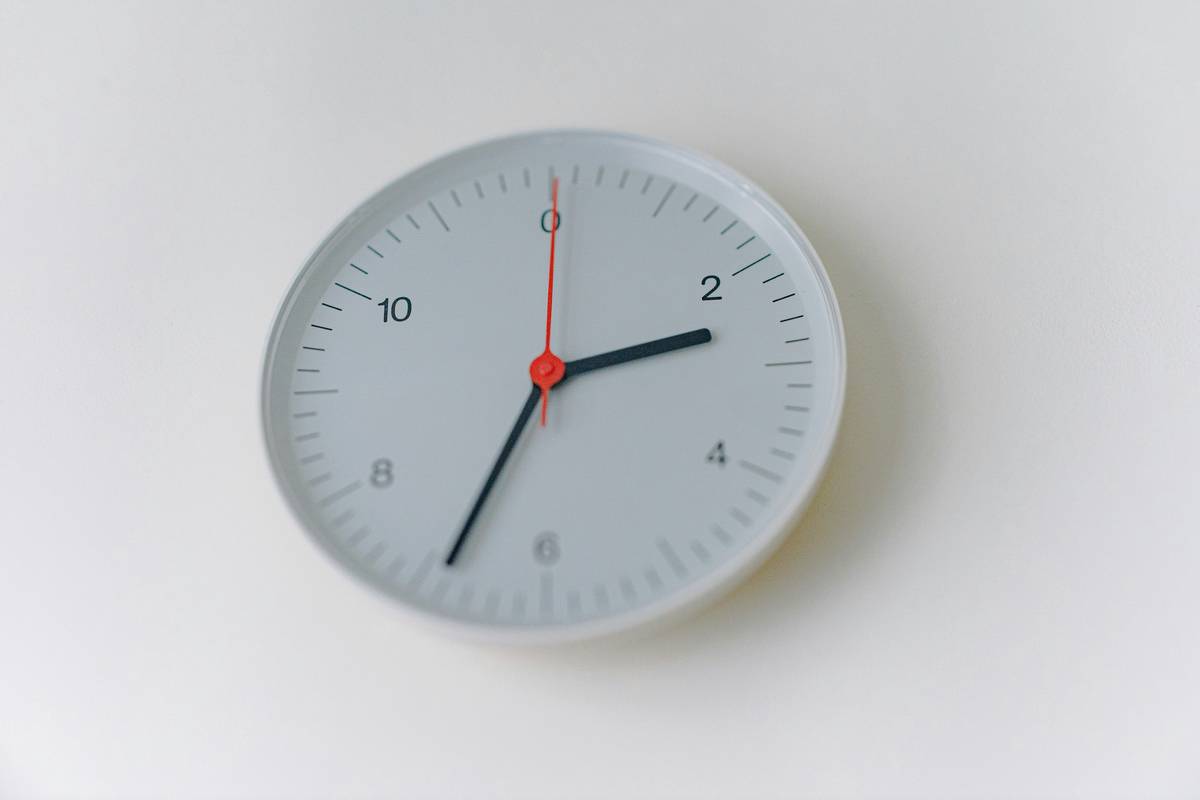
The Industry Secret: Analog Hands Are the Ultimate Privacy Shield
Here’s something no brand will advertise: a true smart clock analog display leaks zero behavioral data—by design. Digital screens log touch patterns, brightness adjustments, even viewing angles via front sensors. Analog? No cameras. No mics. Just gears and code. When your clock tells time through motion—not pixels—it can’t track you. In an era where every “smart” device is a listening post, the humble hand becomes a fortress. One manufacturer quietly removed all microphones from their latest analog model after internal audits showed voice logs were being archived unnecessarily. They never issued a press release. They just… stopped. That’s the quiet power of analog intelligence.
Frequently Asked Questions
Can a smart clock analog display show more than just time?
Yes—through subtle cues. Color-shifted dials, hand pulsations, or rotating bezels can indicate weather, alarms, or calendar events without breaking analog aesthetics.
Do analog smart clocks work during power outages?
Most mid-tier and premium models include capacitor backups or coin-cell reserves that maintain timekeeping for 8–72 hours, syncing automatically once power returns.
Are smart clock analog displays compatible with Apple HomeKit?
Limited support exists. Look for Matter-over-Thread certification—this ensures future-proof compatibility even if native HomeKit integration isn’t listed today.