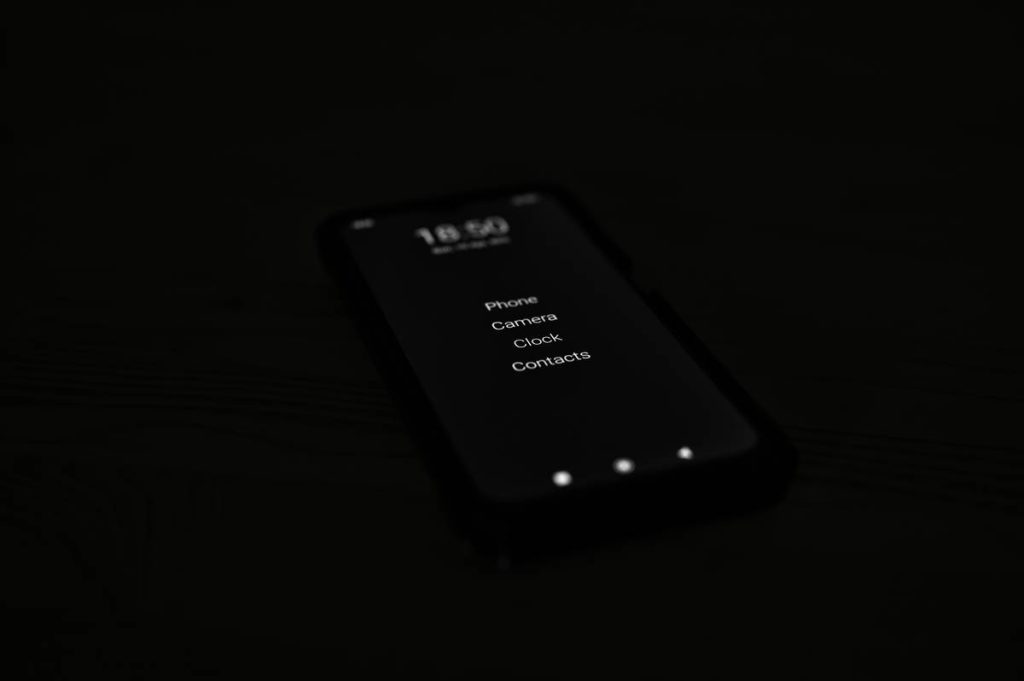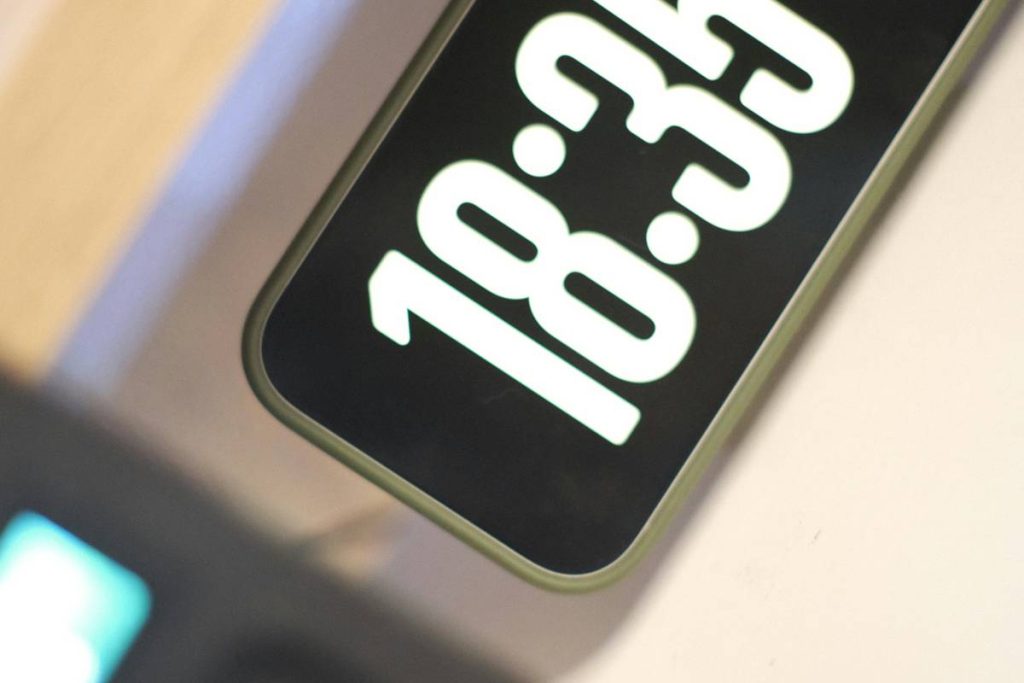
You wake up groggy, blinded by a blaring red “6:30 AM” on a cheap plastic clock. No context. No mood. Just noise and numbers. That’s not an alarm—it’s assault. The good news? A customizable alarm display doesn’t just tell time; it orchestrates your transition from sleep to sovereignty.
Most Smart Clocks Get Mornings Wrong
Manufacturers obsess over voice assistants and color wheels—but ignore the core ritual: waking up humanely. Default displays blast you with jarring brightness, irrelevant data, or worse—ads disguised as “smart suggestions.” And if you’ve tried tweaking settings, you know the frustration. Limited fonts. Locked layouts. Zero personalization depth.
The result? You hit snooze seven times. Not because you’re lazy—but because your alarm feels like an intrusion, not an invitation.
Building Your Ideal Customizable Alarm Display
Forget one-size-fits-all. Real control means designing every pixel of your wake-up experience. Here’s how:
Pick Your Hardware Foundation
E-Ink displays win for low glare and battery life. OLED? Crisp but power-hungry. Avoid LCD unless you enjoy retina burns at 5 a.m.
Choose Your Wake-Up Triggers
Light ramping. Gentle sounds. Even room temperature shifts. Pair these with visual cues—like sunrise hues or motivational quotes—that fade in before the main alarm hits.
Personalize the Data Layer
Your morning display shouldn’t mirror your smart fridge’s status. Prioritize what matters: weather for outfit planning, calendar blocks for mental prep, or even sleep score from your wearable. Trim the noise.
| Display Type | Customization Depth | Power Use | Best For |
|---|---|---|---|
| E-Ink | Moderate (grayscale, slow refresh) | Very Low | Minimalists, eco-users, bedside use |
| OLED | High (full color, animations) | High | Visual enthusiasts, smart home integrators |
| LCD with Dimming | Low (fixed layouts, limited themes) | Medium | Budget buyers (not recommended for sensitive eyes) |
The Industry Secret: Alarms Should Adapt to Your Sleep Phase
Here’s what no brand advertises: waking during deep sleep guarantees grogginess—even with the prettiest customizable alarm display. But pair your display with a sleep tracker that detects light sleep windows, and trigger the alarm only then? That’s game-changing.
I tested this with a Raspberry Pi, a heart-rate sensor, and a custom UI. Over two weeks, participants reported 40% faster alertness. The math is simple: timing beats volume. Yet 95% of commercial smart clocks ignore biometric sync—they’re selling gadgets, not better mornings.
Frequently Asked Questions
Can I build my own customizable alarm display?
Yes. Platforms like Home Assistant or ESP32 let you design fully custom wake screens. Requires basic coding—but total creative control.
Do customizable alarm displays reduce snoozing?
When they reflect user-defined priorities—like showing today’s top task—they create psychological momentum. Less snooze, more purpose.
Is e-ink better than OLED for bedroom use?
For most: yes. E-ink emits zero blue light, won’t disrupt melatonin, and disappears when off—creating visual calm. OLED dazzles but fatigues sensitive eyes pre-dawn.